
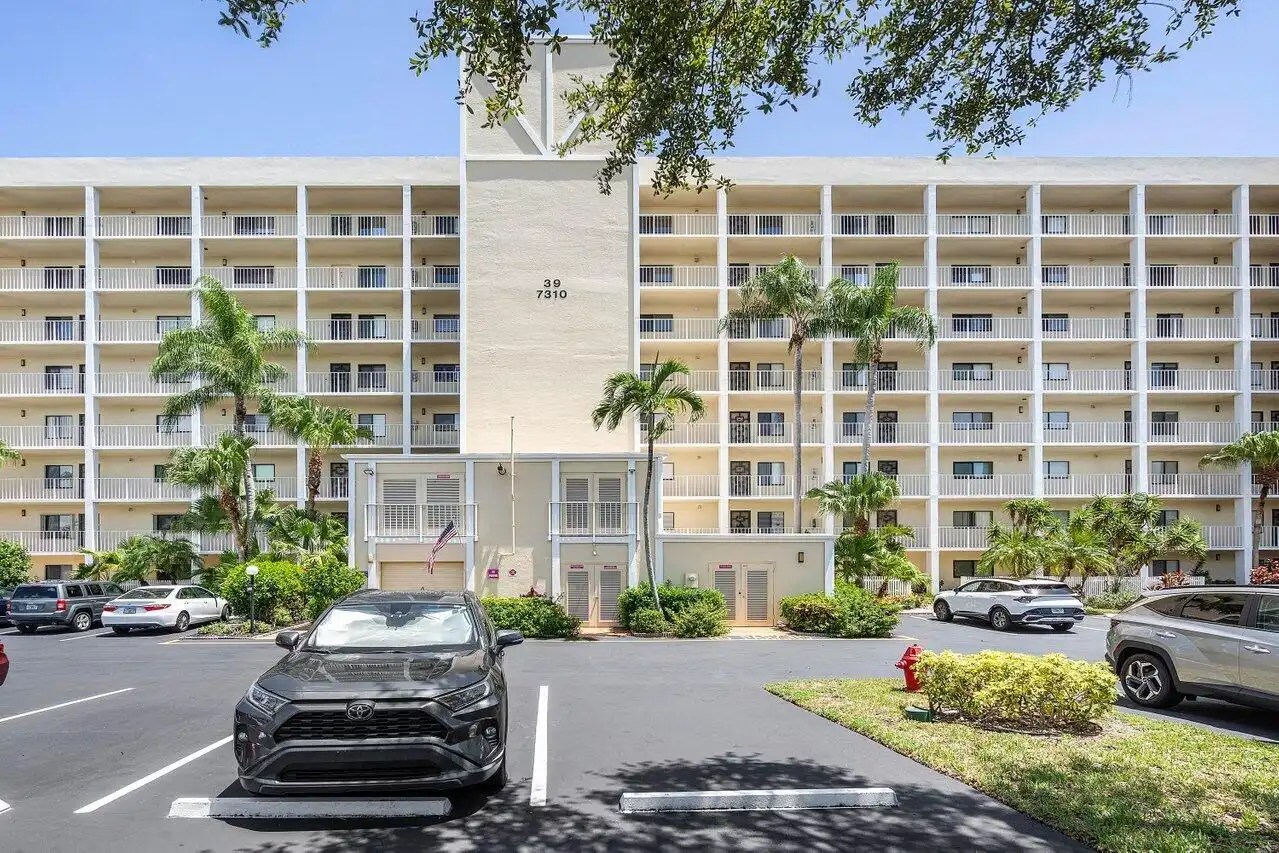
For years, the Palm Beach County winter script was set in stone. As soon as temperatures dropped up north, a wave of wealthy seasonal residents and “snowbirds” would descend upon the county. From the coastal estates of Jupiter and the Town of Palm Beach down to the luxury condos of Boca Raton, landlords held all the cards. They could command astronomical rates for a four-to-six-month winter stay, leaving renters to compete fiercely for whatever inventory was left.
The market has fundamentally changed. Driven by a wave of new construction, complex regulatory crackdowns, and a shift in how winter residents choose to live, the Palm Beach County seasonal rental market has become highly fragmented.
1. The Multi-Family Inventory Wave
The primary challenge defining the market is a significant influx of new housing supply. Over the last several years, multifamily development has surged across the county.
Data from the MIAMI REALTORS® South Florida Rental Market Report highlights that while the West Palm Beach-Boca Raton market area maintains a steady baseline occupancy rate of about 95.1%, thousands of new units are continuing to hit the market. This wave of new inventory means that approximately 7% of landlords are now forced to offer move-in concessions to attract renters. Seasonal visitors who once felt trapped into accepting outdated condos now have their pick of brand-new, amenity-rich luxury towers in downtown West Palm Beach and Boca Raton.
2. The Local Regulation and HOA Gauntlet
Palm Beach County features some of the strictest and most fragmented short-term rental rules in the state. In PBC, any rental lasting fewer than six months and one day is subject to hyper-local municipal zoning laws:
- The Six-Month Barrier: The City of West Palm Beach actively prohibits short-term rentals under six months in the vast majority of its residential zoning districts.
- The Three-Month Rule: The exclusive Town of Palm Beach heavily restricts short-term, Airbnb-style vacation rentals, requiring minimum residential lease terms of at least three months.
- HOA Caps and Screening: Even if a city allows a rental, private Homeowners Associations across Jupiter, Palm Beach Gardens, and Wellington have clamped down. Many HOAs limit rentals to just once per year, require weeks of background checks, or mandate strict occupancy caps of two guests per bedroom. One missed building registration can entirely derail a seasonal booking.
3. Squeezed Landlord Margins vs. Rent Resistance
For property owners, the math of seasonal renting has grown incredibly tight. Carrying costs—driven by high mortgage rates and Florida’s notoriously high property insurance premiums—have severely eroded net profits.
To make matters more complex, anyone renting a property for fewer than 180 days must register for and collect a 6% Palm Beach County Tourist Development Tax (TDT) on top of standard state sales taxes. Because these tax additions push total costs significantly higher, price-sensitive seasonal renters are pushing back. This has led to a major disconnect: landlords want record-high rents to cover their soaring insurance bills, while renters are shopping around closer to their travel dates to find deals.
How to Navigate the PBC Market
For Landlords & Investors:
- Plan for full-year averages: Do not underwrite your property investment solely based on peak winter rates. Account for softer summer occupancy and consider transitioning to longer, mid-term or annual corporate rentals if local HOA rules allow.
- Audit your specific jurisdiction: Before listing your property, confirm whether it sits in unincorporated Palm Beach County or within strict city limits like West Palm Beach or North Palm Beach, which carry entirely different permitting rules.
- Pre-approve your renters early: Because local HOAs take weeks to process applications, screen your winter tenants by late summer or early fall to ensure they are fully approved before November.
For Seasonal Renters:
- Look beyond the coastal strip: If coastal Palm Beach or Boca Raton prices are too restrictive, explore western Palm Beach County or areas further north toward Martin County, where you can often get more space for your budget.
- Factor in the hidden fees: Always ask for an itemized breakdown of costs upfront, ensuring you account for the 6% county tourist tax, building application fees, and security deposits.
- Verify building compliance: Never book a seasonal rental without explicit confirmation that the landlord has a valid municipal permit and HOA clearance. The last thing you want is a building manager turning you away at the gate on move-in day.
What is your experience?
The Palm Beach County seasonal rental market remains one of the most lucrative in the country, but the days of passive property management are gone. Success now depends on compliance, perfect timing, and realistic pricing.
Social Cookies
Social Cookies are used to enable you to share pages and content you find interesting throughout the website through third-party social networking or other websites (including, potentially for advertising purposes related to social networking).